

The Overflow Market: How I'm Building Financial Freedom Through Decluttering (Without Selling My House)

My Path to Financial Freedom
When a financial consultant told me to sell my house to pay off five-figure debt, I knew I had to find a different path. Here's how I'm using The Overflow Market to build financial freedom, release survival programming, and create multiple income streams, without giving up my 1.75% mortgage rate or my generational wealth. This is the story of how decluttering is becoming my kickstarter to designing my life on my own terms, and what I'm learning as I build it in real-time.
How I Got Into Debt (And the Wake-Up Call That Changed Everything)
The financial consultant looked at my numbers and said it plain: "You should sell your house to pay off your debt."
Five figures of debt. A 1.75% interest rate mortgage that I'll never see again. A home I fought to buy. And now a "professional" telling me the best option was to let it go.
He wasn't wrong about the debt. He was wrong about the solution.
Why Selling My House Wasn't the Answer
Here's what he didn't factor in:
In my location, my rent would be more than my mortgage payment
I have a 1.75% interest rate I'll never get again in this economy
Suggesting a Black woman sell her asset to solve a financial problem is a script I've heard before, and it's not about my best interests, it's about following a formula that doesn't account for generational wealth
That was my wake-up moment. Not because the debt wasn't real—it is. But because I finally saw the pattern.
I had been waiting for someone else to fix it. Hoping the "provider" would handle it. Trusting that being a "good woman" would somehow make the math work out.
It wasn't working. Because I was still operating under programming that was never designed for me to win.
So I stopped waiting. And I started building.
The Real Reason We’re in Debt: Comfort Is Expensive
Here's what they don't tell you about homeownership: the same expenses that allowed you to save for a house won't be enough to maintain it.
How Property Taxes and Expenses Grow (While Income Stays Flat)
When I bought my home, I was proud. I did the thing. The American Dream thing.
And for a while, it worked. Until property taxes went up. And up. And up again.
My mortgage has increased over $400 in the last five years—not because I refinanced, but because the cost of "stability" kept climbing while my household income stayed steady.
And here's the part that makes me angry, my husband was comfortable.He had a good job. A steady salary. And that was enough for him. But it wasn't enough for me.
When Your Partner Is Comfortable But You Want to Build
I wanted to build. I wanted multiple streams of income. I wanted generational wealth, not just stability.
So I tried. I started things. I had ideas. I wanted to make moves.
And he supported me… in spirit.
But he wasn't in it with me.
He'd support me as long as he didn't have to participate. As long as it didn't disrupt his comfort. And every time I brought up an idea, he had a way of highlighting every risk, every obstacle, every reason it might not work, until I started doubting it too.
So I slowly stopped being “extra”. I made myself smaller. I matched his comfort instead of building my vision.
Because that's what the Good Woman Contract taught me: don't push too hard, don't be difficult, don't make him feel inadequate by wanting more.
And that comfort? That cost me.
Signs You're Too Comfortable at Your Current Income
Your expenses are rising but your salary isn't
Property taxes, insurance, and cost of living keep climbing
You want to build wealth but feel stuck in "stability"
Your partner discourages new income ideas by listing every risk
You're in debt despite doing everything "right"
Life lesson learned the hard way: Never get too comfortable at your current income, because expenses grow whether you want to earn more or not.
The buyer's remorse isn't that I bought a house. It's that I bought into the idea that his comfort was more important than my ambition. That "provider" meant I should sit back and trust the plan, even when the plan wasn't working.
But these jobs aren't loyal. The economy doesn't care about your comfort. And waiting for someone else to build your financial freedom is how you end up in five-figure debt with a consultant telling you to sell your house.
What Is Death Cleaning? (And Why I'm Starting Now)
I started looking around my house—really looking—and I saw it everywhere.
The Stuff I Kept Out of Guilt
Gifts people gave me that never aligned with who I am, but releasing them felt ungrateful
Furniture I bought to make the house look "put together" even though it didn't fit my actual life
Clothes from a version of me I was performing, not living
I kept it all because letting go felt like failing. Like admitting I made a mistake. Like being wasteful or ungrateful.
But here's what I'm learning: holding onto things out of guilt is just another version of the Good Woman Contract.
What Is Death Cleaning?
I heard about something called "death cleaning" (Swedish: döstädning), a practice where you declutter your home so your loved ones don't have to sort through your stuff when you're gone. It's about releasing what no longer serves you and keeping only what matters.
I'm not full-on death cleaning. But I'm starting the process at my own pace.
Because I don't want to wait until I'm dying to figure out what actually matters to me.
I want clarity now. I want space now. I want to create from my own vision, not live inside a scene someone else told me to build.
Over years, the cumulative weight of this imbalance does exactly what you would expect. Connection erodes. Resentment builds. The exhausted partner, having given everything to maintaining a system that offers nothing in return, eventually has nothing left to give. The relationship ends not in a dramatic rupture, but in the quiet collapse of someone who ran out of capacity.
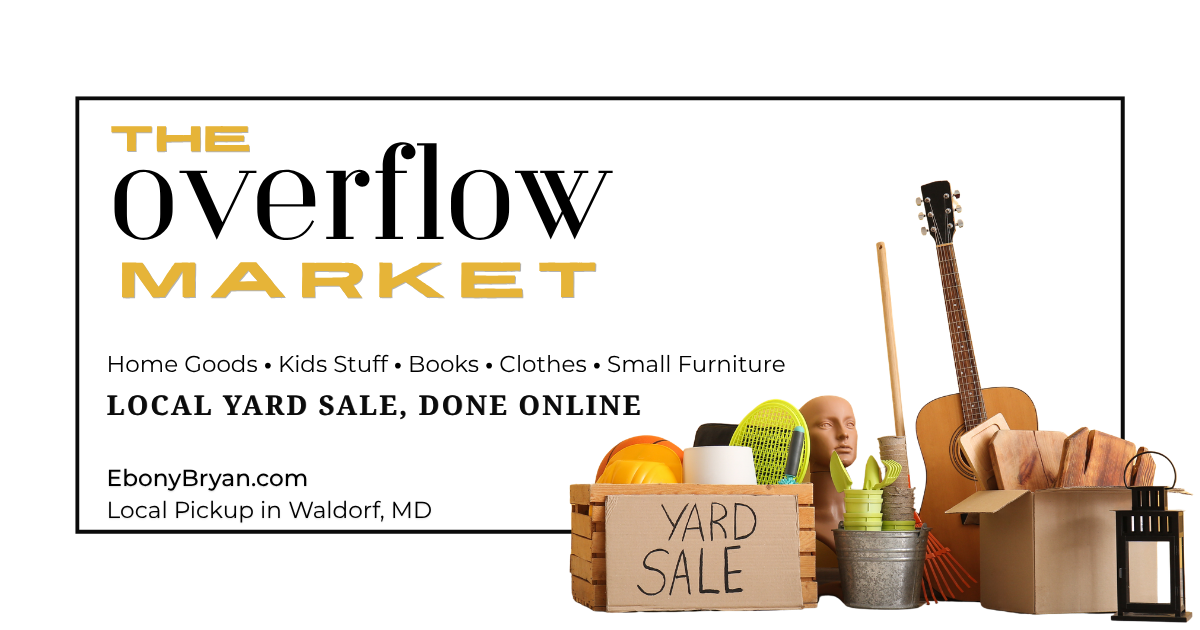
The Overflow Market: Intentional Decluttering
Every item I'm releasing through The Overflow Market represents something I'm no longer carrying.
What The Overflow Market Is
The Overflow Market isn't a garage sale. It's a reprogramming.
A gift I kept out of obligation? That's the Good Woman Contract.
Furniture I bought to look "successful"? That's the American Dream sprinkle.
Clothes from when I was performing a role? That's survival programming.
Random things I keep “just in case” I need it later? That’s a scarcity mindset.
I'm not just selling stuff. I'm shedding the mindsets that got me here in the first place.
How The Overflow Market Helps Me Design My Life in Alignment
Every dollar I earn through The Overflow Market:
Moves me closer to paying off five-figure debt
Helps me avoid selling my house (and my 1.75% mortgage rate)
Builds an income stream within my control
Proves to myself that I can figure it out myself… (that one is a game changer!)
The System I Built (Without Burnout)
I’m not using this site as a way to dress up garbage. Some listings are still wrapped in original packaging, never opened, never used. Other items are lightly loved. Posting it on my own website saves me from the extreme overwhelm of using Facebook Marketplace. I did try it a few times and the constant need to worry about scammers and young boys trying to steal my iPhone (yes that really happened and wasted an entire Saturday morning), drove me to give up on method.
So I decided to try it my way since I have a site anyway. My basic workflow is:
Post quality items. I’m selling items with value… not trash/garbage/donations.
Local pickup only. No shipping. No logistics that drain me. No complex shipping model at the expense of my nervous system.
Curated with intention. Each item is priced fairly and listed when I'm ready to release it, not when I'm desperate.
Real-time documentation. I'm sharing what I'm learning as I build this: the mental shifts, the financial wins, the contracts I'm spotting as I let go.
This is what taking matters into my own hands looks like.
Not waiting for a financial consultant to tell me to give up my asset.
Not shrinking my ambition to match someone else's comfort.
Not staying small and grateful and low-maintenance while expenses keep rising.
Taking action. Building systems. Releasing what the new me doesn't need.
Related: Buyer's Remorse: What Happens When You Realize the Life You Built Wasn't Yours
What the New Me Actually Needs
The Old Me vs. The New Me
The old me thought I needed:
To match his comfort instead of building my vision
To keep things to avoid being seen as wasteful or ungrateful
To stay small so I didn't make anyone feel inadequate
To hope someone would walk me through this midlife analysis
The new me knows I need:
Clarity and space to create from my own vision
Multiple streams of income because one salary will never be enough
To protect my assets, not give them up to solve someone else's version of my problem
To build what I want without asking permission or waiting for partnership
The Overflow Market is the bridge between those two versions of me.
It's where I practice releasing programming in real-time. It's where I build financial independence one sale at a time. It's where I give purpose to what I'm letting go.
The Unlearning Work: Breaking the Good Woman Contract
Unlearning all the things you were taught to survive—and then realizing those things don't apply anymore in the world you're trying to build—is hard.
What the Good Woman Contract Taught Me
Don't ask for too much
Be grateful for what you have
Don't push too hard
Match his comfort
Don't be selfish
Those rules kept me safe when I was younger. But they're also the reason:
I'm in five-figure debt
My mortgage increased $400 and I didn't pivot sooner
I shrank my ambition to fit someone else's comfort level
I kept items and built clutter to remain a “good woman”
The Good Woman Contract drove every other decision.
And now I'm breaking it. Piece by piece. Item by item. Sale by sale.
Take the quiz: Which Self-Abandonment Contract Are You Operating Under?
What Financial Freedom Actually Looks Like
Financial freedom doesn't look like a consultant's spreadsheet telling me to sell my house.
It looks like:
Me, in my living room, sorting through what I'm releasing
Pricing items with intention
Using the income to build something sustainable
Creating The Overflow Market with systems that don't drain me
Learning about multiple income streams, investing, and building wealth on my own terms
Letting go of things without guilt and making space for a life I actually designed
This is what "unbothered, on purpose" looks like.
Not waiting for permission. Not hoping someone else fixes it. Not performing stability while quietly drowning.
Taking matters into my own hands. Releasing what no longer serves me, and building what does.
If You're Here, You're Probably in Your Own Version of This
Maybe your wake-up call wasn't a financial consultant. Maybe it was:
A fight with your partner about money
A promotion you didn't get
Realizing you've been keeping things… physically, emotionally, relationally… that were never yours to carry
Discovering yourself against a life that wants you to stay the same
If so, you're in the right place.
What You Can Do Right Now
You don't have to:
Sell your house to get out of debt
Shrink your ambition to match someone else's comfort
Keep performing contracts you never signed
You can:
Take matters into your own hands
Release what the new you doesn't need
Build a plan and find mental clarity at the same time
One item. One sale. One reprogramming at a time.
If this resonated with you, share it with someone who may be waking up to a life they didn't design. Sometimes the most powerful thing we can do is help someone see that their confusion makes perfect sense.
FAQs
-
Description text goes hereFocus on building multiple income streams rather than liquidating assets. I'm using The Overflow Market to generate income through intentional decluttering while protecting my 1.75% mortgage rate. Start by identifying items you're keeping out of guilt or obligation, price them fairly, and create a simple system (like local pickup only) that doesn't burn you out.
-
A: Death cleaning (Swedish: döstädning) is the practice of decluttering your home so loved ones don't have to sort through your belongings later. You don't have to wait until you're old to start. Begin by asking: "What am I keeping that the new me doesn't need?" Release items tied to old programming, guilt, or a version of yourself you're no longer performing.
-
A: I stopped waiting for permission and started taking action within my own capacity. The Overflow Market is something I can build independently while working on renegotiating expectations in my marriage. Focus on what you can control: your time, your skills, your stuff, your income streams. Build first, negotiate later.
-
Not on its own. Its the mindset behind shedding the old thoughts and actions that got you in debt in the first placed. It’s a doable, possibly profitable first step toward taking control of your life choices instead of being led by the influence of others.
-
A: If you're exhausted, resentful, managing your partner instead of connecting with them, guilty about wanting financial freedom, or keeping things you don't want because letting go feels wrong—you're likely performing a contract. Take the Self-Abandonment Contract Quiz to identify which pattern you're running.
Share this with someone who needs it
